














USING FALLEN WASTE WOOD
If you’ve had the chance to play in the Colorado high-country, you’re no stranger to its dying forests. More than 4 million acres of lodgepole and ponderosa pine trees across America’s Rocky Mountains are being killed by the pine beetle infestation – an epidemic that has left our forests in a sad and not-so-green state.
The millions of beetle-infected trees turn from green to red to gray, ultimately becoming a sea of dead and fallen trees – and seemingly, waste.
But there’s hope. Our forests now have a continued future thanks to the ingenuity of a few craftsmen. You see, the logs themselves are just as rigid and harmless as their healthy counterparts – begging the question, “Why use healthy trees with so many already fallen?”
The millions of beetle-infected trees turn from green to red to gray, ultimately becoming a sea of dead and fallen trees – and seemingly, waste.
But there’s hope. Our forests now have a continued future thanks to the ingenuity of a few craftsmen. You see, the logs themselves are just as rigid and harmless as their healthy counterparts – begging the question, “Why use healthy trees with so many already fallen?”
It’s true, beetle-kill pine is uniquely grayish-blue in color. But we see this as a pretty cool reminder of its new purpose in an otherwise storied past.
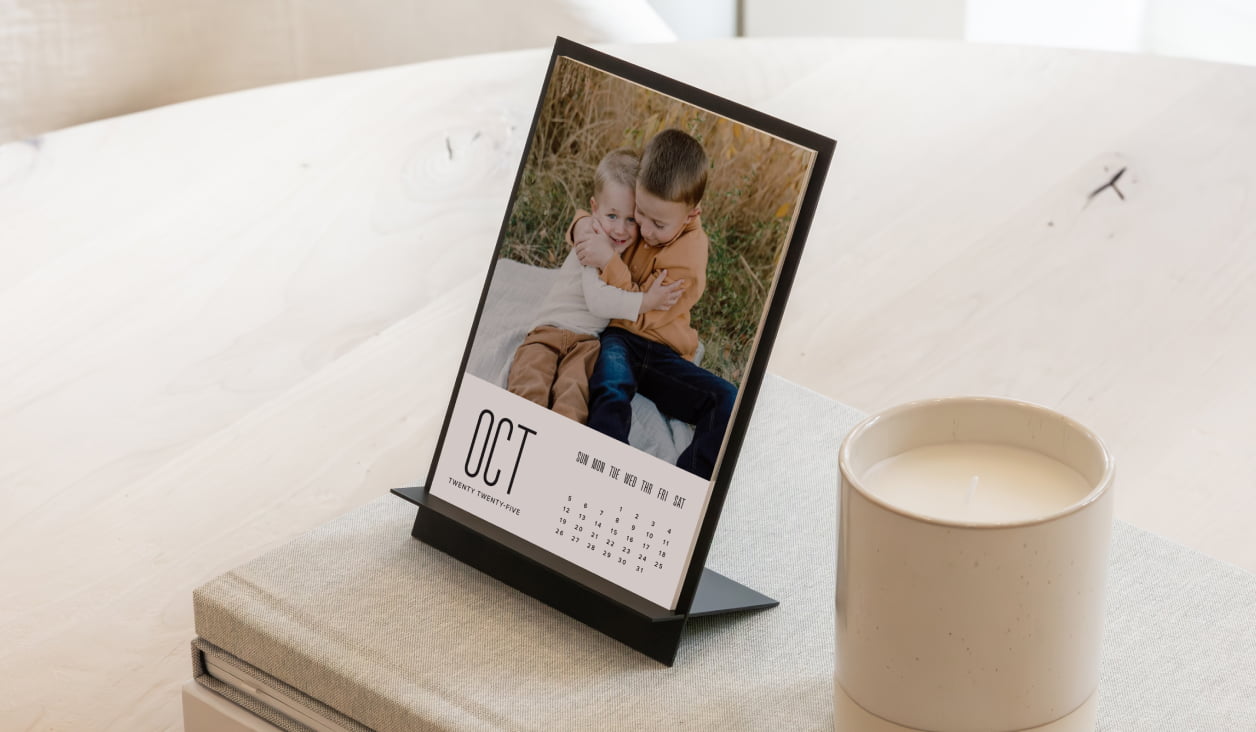
Our woodworkers for our calendar and box products are proud pioneers in the Colorado area – collaborating with local sawmills and the U.S. Forestry Department to continue to bring these kinds of products to the market. All of our wooden products are made from 100% beetle kill pine sourced right here in Colorado.
And that – that’s one for the forests.
Our woodworkers for our calendar and box products are proud pioneers in the Colorado area – collaborating with local sawmills and the U.S. Forestry Department to continue to bring these kinds of products to the market. All of our wooden products are made from 100% beetle kill pine sourced right here in Colorado.
And that – that’s one for the forests.


